الكرياتين
4 نتائج
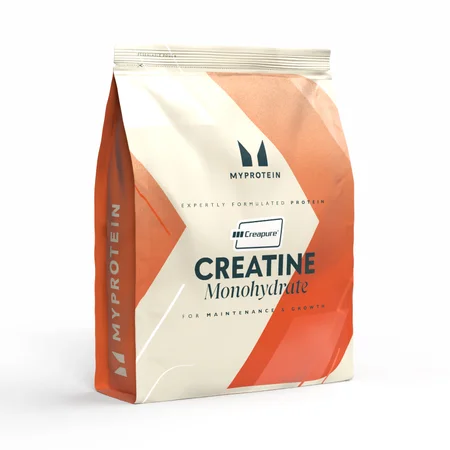
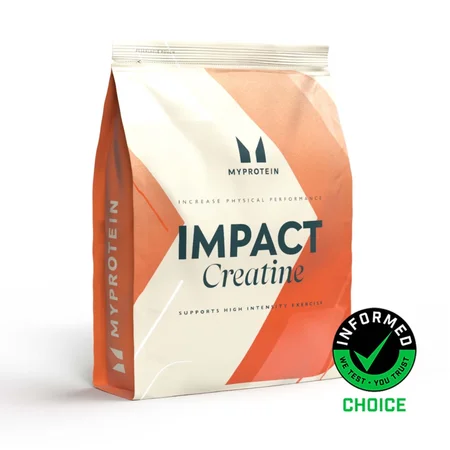
تسوّق على الكرياتين Myprotein
الكرياتين هو أحد أكثر المكملات الغذائية دراسةً وشيوعاً في عالم الرياضة واللياقة البدنية. يُعدّ كرياتين مونوهيدرات الشكلَ الأكثر استخداماً، وتجده في مجموعة Myprotein بمعايير نقاء عالية، بما فيها الخيارات المصنوعة من Creapure® — المعيار الذهبي في صناعة الكرياتين النقي والمُختبَر.
سواء كنت تبحث عن كرياتين بودر يسهل خلطه مع مشروبك المفضّل، أو تفضّل جرعة مركّزة وموثوقة، فإن مجموعة الكرياتين من Myprotein مصمّمة لتناسب مختلف الاحتياجات والأساليب التدريبية. كل منتج يمرّ بمراقبة جودة صارمة لضمان حصولك على ما تبحث عنه بالضبط — لا أكثر ولا أقل.
لمن الكرياتين؟
الكرياتين خيار شائع بين الرياضيين والمتحمّسين للياقة البدنية الذين يمارسون تمارين شديدة الكثافة، كرفع الأثقال، والسباحة، والجري السريع، وكرة القدم. يعتمد عليه كثير من الرياضيين المحترفين والهواة الذين يسعون إلى الاستفادة القصوى من جلسات التدريب عالية الكثافة1.
كما يُعدّ الكرياتين مناسباً للبالغين فوق سن الخامسة والخمسين الذين يمارسون تمارين المقاومة بانتظام، إذ تشير الأبحاث إلى أن تناول الكرياتين يومياً قد يُعزّز تأثير تدريبات المقاومة على قوة العضلات لدى هذه الفئة العمرية2. ببساطة، إن كانت تمارينك تتضمّن جهداً متقطّعاً وقصير المدى وعالي الكثافة، فالكرياتين يستحق مكانه في روتينك اليومي.
متى تستخدم الكرياتين
يتناول كثير من الرياضيين الكرياتين يومياً للحفاظ على مستوياته في العضلات، سواء في أيام التدريب أو أيام الراحة. في أيام التمرين، يفضّل بعضهم تناوله قبل التمرين أو بعده مباشرةً، بينما يختار آخرون وقتاً محدداً خلال النهار حسب ما يناسب روتينهم.
الجرعة اليومية الموصى بها والمدروسة هي 3 جرامات على الأقل للحصول على التأثير المرتبط بالأداء الرياضي1. يُذاب بودر الكرياتين بسهولة في الماء أو عصير الفاكهة أو مع مشروب البروتين — مما يجعل إضافته إلى روتينك اليومي أمراً في غاية البساطة.
فوائد الكرياتين
أداء رياضي في التمارين عالية الكثافة
الكرياتين معروف بارتباطه بالأداء في التمارين المتقطّعة وعالية الكثافة. يُخزَّن الكرياتين في العضلات على شكل فوسفوكرياتين، وهو يلعب دوراً في إعادة توليد ATP — المصدر الأساسي للطاقة السريعة خلال التمارين القصيرة والمكثّفة1.
نقاء Creapure® المُعتمَد
THE Creatine (Creapure®) من Myprotein مصنوعة من كرياتين مونوهيدرات ألماني الصنع، تحت علامة Creapure® الشهيرة بمعايير النقاء العالية. تختلف عن منتجات كثيرة في السوق بمستوى التنقية الصارم الذي تخضع له.
سهولة الاستخدام والمرونة
بودر الكرياتين عديم اللون والطعم تقريباً، مما يجعله سهل الإضافة إلى أي مشروب تفضّله. لا تحتاج إلى تغيير روتينك — فقط أضفه إلى ما تشربه بالفعل.
مدعوم بالبحث العلمي
يُعدّ الكرياتين من أكثر المكملات التي خضعت للدراسة العلمية على مستوى العالم. يعتمد عليه الرياضيون في مختلف أنواع الرياضات المتقطّعة وعالية الكثافة1، وتؤكد الدراسات دوره في دعم تمارين المقاومة لدى البالغين فوق الخامسة والخمسين2.
اختياراتنا المميزة
THE Creatine (Creapure®) — I notice you've only provided one product (THE Creatine Creapure®) but requested descriptions for three products, and no USP facts were listed for even that one product.
FAQs
ما هو الكرياتين وكيف يعمل؟
الكرياتين مركّب طبيعي يُنتجه الجسم ويُوجد في بعض الأطعمة كاللحوم والأسماك. يُخزَّن في العضلات على شكل فوسفوكرياتين، حيث يؤدّي دوراً في إعادة توليد ATP — المصدر الرئيسي للطاقة خلال التمارين القصيرة والمكثّفة. يُعدّ كرياتين مونوهيدرات الشكلَ الأكثر شيوعاً واستخداماً في المكملات الغذائية الرياضية.
ما الفرق بين كرياتين مونوهيدرات وكرياتين Creapure®؟
كرياتين مونوهيدرات هو النوع القياسي المُستخدَم في معظم مكملات الكرياتين. أما Creapure® فهو كرياتين مونوهيدرات يُصنَّع في ألمانيا وفق معايير نقاء ومراقبة جودة صارمة للغاية، وهو ما يجعله الخيار المفضّل لكثير من الرياضيين المحترفين.
THE Creatine (Creapure®) من Myprotein تستخدم هذا المعيار الألماني الرفيع، مما يضمن لك منتجاً نقياً مُختبَراً بعناية.
كيف آخذ الكرياتين؟
الجرعة الشائعة هي 3 جرامات يومياً — تُذاب في الماء أو عصير الفاكهة أو مشروب البروتين. يمكن تناوله في أي وقت خلال اليوم، وكثير من الرياضيين يتناولونه قبل التمرين أو بعده مباشرةً. الانتظام اليومي في تناوله — بما في ذلك أيام الراحة — هو ما يُبقي مستوياته في العضلات ثابتة.
ما كمية الكرياتين التي أحتاجها يومياً لتحسين الأداء الرياضي؟
الحدّ الأدنى المُوثَّق لتأثير الكرياتين على الأداء في التمارين عالية الكثافة هو 3 جرامات يومياً1. لا تحتاج إلى جرعة أعلى من ذلك في الغالب — والثبات في تناولها بشكل يومي أهم من التوقيت.
هل الكرياتين مناسب لمن هم فوق سن الخامسة والخمسين؟
نعم، الكرياتين خيار شائع بين البالغين من مختلف الأعمار. تشير الأبحاث إلى أن تناول الكرياتين يومياً قد يُعزّز تأثير تمارين المقاومة على قوة العضلات لدى البالغين فوق سن الخامسة والخمسين2. إن كنت تمارس تمارين المقاومة بانتظام في هذه المرحلة، فالكرياتين يستحق مكانه في نقاشك مع متخصص التغذية.
هل يمكن خلط الكرياتين مع مكملات أخرى؟
يُضاف بودر الكرياتين بسهولة إلى مشروب البروتين أو مشروب ما قبل التمرين أو حتى الماء البسيط. كثير من الرياضيين يدمجونه مع بروتين مصل اللبن أو أحماض BCAA في روتينهم اليومي. الكرياتين عديم الطعم تقريباً، لذا لن يؤثّر على مذاق مشروبك المفضّل.
من طوّر منتجات الكرياتين عند Myprotein؟
طوّر خبراء التغذية المتخصصون في Myprotein مجموعة الكرياتين بالكامل، مستندين إلى الأبحاث العلمية ومعايير الجودة العالمية. يحرص الفريق على اختيار مصادر المواد الخام بعناية — كما هو الحال مع Creapure® الألمانية — لضمان منتج نقي وفعّال يلبّي احتياجات الرياضيين الجادّين.
هل الكرياتين مناسب للرياضيين المحترفين الخاضعين لاختبارات المنشّطات؟
THE Creatine (Creapure®) من Myprotein مصنوعة من مادة خام تخضع لمعايير نقاء صارمة. إن كنت رياضياً محترفاً يخضع لاختبارات منشّطات بانتظام، فمن المهم اختيار منتجات من جهات موثوقة تُولي الشفافية أولوية قصوى. راجع دائماً سياسة المنشّطات الخاصة باتحادك الرياضي.
ما الفرق بين كرياتين للرياضيين المبتدئين والمحترفين؟
الكرياتين هو نفسه للجميع — المادة الفعّالة واحدة، والجرعة اليومية الموصى بها ثابتة عند 3 جرامات. ما يختلف هو مستوى الاتساق في التدريب والتغذية العامة. المبتدئون والمحترفون يستخدمون في الغالب نفس المنتج، والفارق الحقيقي يكمن في الانتظام والالتزام.
أين يمكنني شراء الكرياتين من Myprotein؟
تجد مجموعة الكرياتين كاملةً على موقع Myprotein مباشرةً، بما فيها THE Creatine (Creapure®). تتوفّر خيارات الحجم المختلفة لتناسب الاستخدام قصير وطويل المدى، مع توصيل سريع إلى الإمارات والدول العربية.
1. الكرياتين يزيد من الأداء البدني في جلسات متتالية من التمارين قصيرة المدى وعالية الكثافة. الجرعة اليومية المطلوبة: 3 جرامات.
2. تناول الكرياتين يومياً يمكن أن يُعزّز تأثير تمارين المقاومة على قوة العضلات لدى البالغين فوق سن الخامسة والخمسين.