توصيل مجاني إبتداء من ٢٥٠ درهم | ٣٠٠ ريال جميع منتجات ماي بروتين مناسبة للحلال ٥٪ إضافية مع زجاجة مجانية على طلبك الأول لا توجد رسوم إضافية عند التوصيل خصم يصل حتى ٣٠٪
٤٠٪ على الكريابور
علبة بوب رولز مجانية فوق ٨٠٠ درهم
١٠٪ إضافية باستخدام كود محدود

تسوق الآن

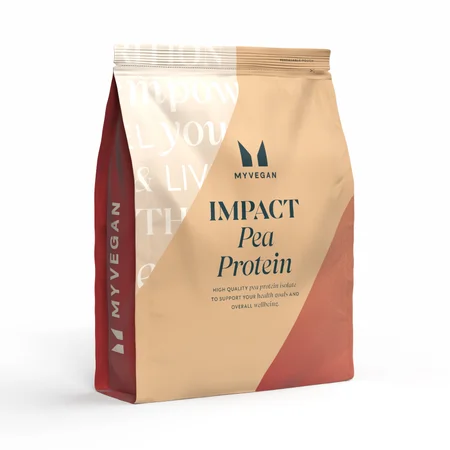
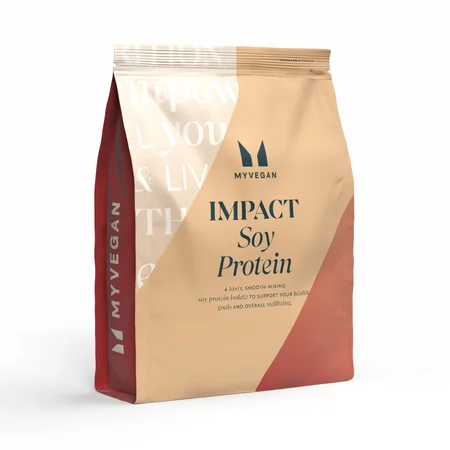
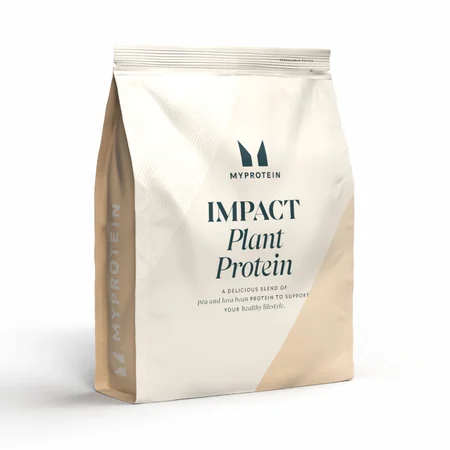
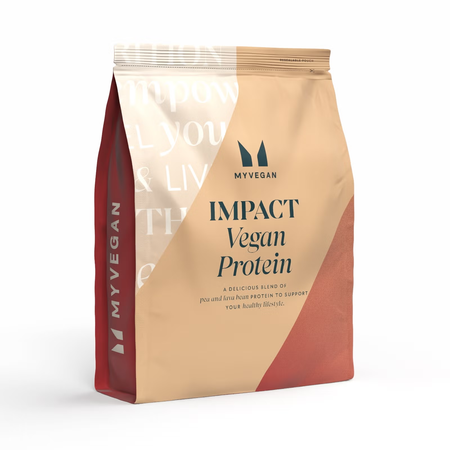
بروتين نباتي

تسوق مجموعتنا المذهلة من البروتين شيكس النباتية الصرفة ومساحيقها ، وهي مثالية لأي شخص يتطلع إلى تعزيز تدريبه أثناء اتباع نظام غذائي نباتي صرف. تمتلئ البروتينات النباتية الخاصة بنا بالعناصر الغذائية الممتازة وتأتي في مجموعة متنوعة من النكهات
discounted price 61.00 AED‎
كان ‏101.00 د.إ.‏‎
وفر ‏40.00 د.إ.‏‎
‏61.00 د.إ.‏‎/kg
discounted price 12.00 AED‎
كان ‏15.00 د.إ.‏‎
وفر ‏3.00 د.إ.‏‎
discounted price 42.00 AED‎
كان ‏70.00 د.إ.‏‎
وفر ‏28.00 د.إ.‏‎
‏84.00 د.إ.‏‎/kg
discounted price 160.00 AED‎
كان ‏228.00 د.إ.‏‎
وفر ‏68.00 د.إ.‏‎
‏500.00 د.إ.‏‎/kg
discounted price 38.00 AED‎
كان ‏63.00 د.إ.‏‎
وفر ‏25.00 د.إ.‏‎
‏76.00 د.إ.‏‎/kg

Shop Vegan Protein at Myprotein


Vegan protein powders deliver complete amino acid profiles from plant-based sources, making them ideal for anyone following a plant-based diet or looking to diversify their protein intake. Our range spans pea protein isolate, soy protein isolate, blends combining multiple plant sources, and refreshing clear vegan options that mix like a juice rather than a traditional shake.


Each formula provides the building blocks your body needs, with protein contributing to the growth and maintenance of muscle mass1. Whether you're lifting weights, running marathons, or simply aiming to meet your daily protein targets, these plant-based options fit seamlessly into your routine without compromising on taste or mixability.


Who Vegan Protein Powders Are For


These powders work for anyone seeking plant-based nutrition, from dedicated vegans and vegetarians to flexitarians exploring sustainable protein sources. Athletes training hard will find them just as effective as whey-based alternatives, whilst those with dairy sensitivities appreciate having options that won't trigger digestive discomfort.


You don't need to follow a strict plant-based diet to benefit from vegan proteins. Many people rotate between different protein sources throughout the week, using plant-based options to add variety to their shakes or simply because they prefer the lighter texture and natural ingredient lists that characterise these formulas.


When to Use Vegan Protein


Post-workout remains the classic timing choice, when your muscles are primed to utilise amino acids. Mix a serving with water or plant milk within an hour of finishing your session, or blend it into a smoothie with fruit and oats for a more substantial recovery meal.


Beyond training, these powders slot into any moment you need convenient protein. Blend a scoop into your morning porridge, stir it through pancake batter, or simply shake it up as an afternoon snack between meals. Clear vegan variants work particularly well throughout the day since they feel more like a refreshing drink than a thick shake.


Vegan Protein Benefits


Complete Amino Acid Profiles

Quality vegan blends combine complementary plant sources to deliver all nine essential amino acids your body can't produce on its own. Pea and rice protein work particularly well together, with each filling the gaps in the other's amino acid spectrum to create a complete profile comparable to animal-based options.


Easy Digestion

Plant proteins tend to feel lighter in your stomach than dairy-based powders, making them suitable for those who find whey sits heavily or causes bloating. Soy and pea isolates are particularly well-tolerated, processed to remove most of the fibre and carbohydrates that can sometimes slow digestion.


Versatile Formats

From traditional shake-style blends to clear, juice-like options, vegan proteins adapt to different preferences and occasions. Clear variants mix thin and fruity, perfect for sipping during or after cardio, whilst creamy blends work better in smoothies, baking, or when you want something more substantial.


Sustainable Sourcing

Plant-based proteins generally require fewer resources to produce than animal-derived alternatives, using less water and land per gram of protein. Choosing vegan options lets you meet your nutritional needs whilst reducing your environmental footprint without sacrificing performance or results.


Popular Picks


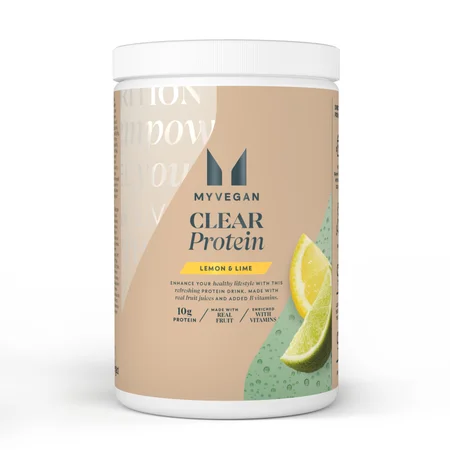
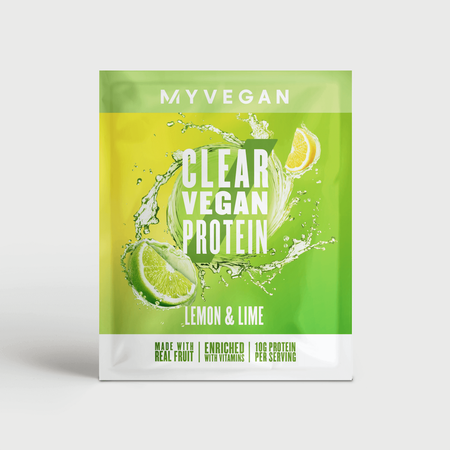
Looking for a comprehensive blend? Impact Vegan Protein lets you test the clear formula in single-serving sachets before investing in a larger tub. Try Orange Mango, Lemon and Lime, or Raspberry Lemonade to find your favourite before stocking up.


FAQs


What exactly is vegan protein powder?

Vegan protein powder is a supplement derived entirely from plant sources like peas, soy, rice, hemp, or faba beans. These proteins are extracted and isolated from their source plants, then processed into powder form to create a concentrated protein source without any animal-derived ingredients.


Quality vegan protein powders often combine multiple plant sources to ensure a complete amino acid profile, since individual plants may be lower in certain essential amino acids. Blending complementary proteins creates a more balanced nutritional profile comparable to animal-based options.


How does plant-based protein compare to whey protein?

Both plant-based and whey proteins effectively support muscle maintenance and growth, with protein contributing to the growth and maintenance of muscle mass1 regardless of source. Well-formulated vegan blends provide complete amino acid profiles similar to whey, though single-source plant proteins may have different ratios of individual amino acids.


The main practical differences lie in digestion speed and texture. Whey typically digests slightly faster and creates a creamier shake, whilst plant proteins often feel lighter in the stomach and appeal to those with dairy sensitivities or ethical preferences for plant-based nutrition.


Which vegan protein source is best?

Blended vegan proteins combining pea, rice, and faba bean typically offer the most complete amino acid profiles, with each source compensating for the others' limitations. Pea protein is naturally rich in lysine but lower in methionine, whilst rice protein provides the opposite, making them complementary partners.


That said, soy protein isolate stands out as one of the most complete single-source plant proteins, containing all essential amino acids in substantial amounts. The best choice ultimately depends on your tolerance, taste preferences, and whether you prefer single-source purity or blended completeness.


Can I build muscle effectively using only plant protein?

Absolutely. Protein contributes to the growth and maintenance of muscle mass1 whether it comes from plants or animals, provided you're consuming adequate total protein and training appropriately. Countless athletes build and maintain impressive physiques on entirely plant-based diets by focusing on total daily protein intake and consistent training.


The key is meeting your protein targets consistently. Most athletes aim for 1.6-2.2g protein per kilogram of body weight daily, spread across multiple meals. Vegan protein powders make hitting these targets straightforward, especially when whole food plant proteins from beans, lentils, and grains form the foundation of your diet.


How much vegan protein powder should I take daily?

Most people use 1-2 servings daily, each providing 20-27g protein depending on the formula. This typically covers 40-60% of your daily protein target, with the remainder coming from whole foods like beans, lentils, tofu, nuts, and grains throughout your meals.


Your specific needs depend on your body weight, activity level, and training goals. Athletes training intensively often aim for the higher end of the protein spectrum, whilst those focused on general health and maintenance may need less. Start with one serving post-workout and adjust based on your total daily protein intake from all sources.


Do vegan proteins taste as good as whey?

Modern vegan proteins have come remarkably far in flavour and texture. Whilst early plant-based formulas often tasted earthy or chalky, current blends use natural flavourings and better processing techniques to create smooth, enjoyable shakes that rival whey-based options in taste tests.


Clear vegan proteins offer an entirely different taste experience, mixing into light, fruity drinks rather than creamy shakes. Chocolate and vanilla blends tend to be the most universally popular, whilst unflavoured versions work brilliantly in smoothies or recipes where you don't want added sweetness.


Will vegan protein cause digestive discomfort?

Most people digest plant proteins easily, often finding them gentler than dairy-based options. Isolates like pea and soy protein have most fibre and carbohydrates removed during processing, leaving primarily pure protein that sits lightly in your stomach.


If you're new to plant proteins, start with a half serving to let your digestive system adjust, then gradually increase to a full scoop. Some people find certain plant sources more agreeable than others, so experimenting with different formulas helps identify what works best for your individual tolerance.


Can I use vegan protein powder for baking?

Vegan protein powders work beautifully in baking, adding protein to pancakes, muffins, cookies, and energy balls without animal products. Unflavoured or vanilla options typically work best since they won't clash with your recipe's intended flavour profile.


Replace roughly a quarter of the flour in recipes with protein powder to boost protein content without dramatically altering texture. You may need to add slightly more liquid since protein powder absorbs moisture differently than flour, so adjust your batter or dough consistency as needed.


Who developed Myprotein's vegan protein range?

Myprotein's expert nutritionists formulated these vegan proteins, selecting plant sources and blend ratios based on amino acid profiles, digestibility, and taste testing. The team focused on creating formulas that deliver complete nutrition whilst mixing smoothly and tasting genuinely enjoyable rather than merely tolerable.


Each formula undergoes rigorous quality testing to ensure consistent protein content, purity, and absence of contaminants. The range continues evolving based on customer feedback and advances in plant protein processing, with new flavours and formats added regularly to meet diverse preferences.


What's the difference between protein isolate and concentrate?

Protein isolate undergoes additional processing to remove more carbohydrates, fats, and fibre, resulting in a powder that's typically 90% protein or higher by weight. Concentrates contain 70-80% protein, with the remaining content made up of naturally occurring carbs and fats from the source plant.


Isolates mix thinner and digest faster due to their purer composition, making them ideal when you want maximum protein density with minimal other nutrients. Concentrates cost less and retain more of the plant's natural nutrients, though they may feel slightly heavier and take longer to digest.


1. Protein contributes to a growth in muscle mass.