MYVEGAN
7 نتائج
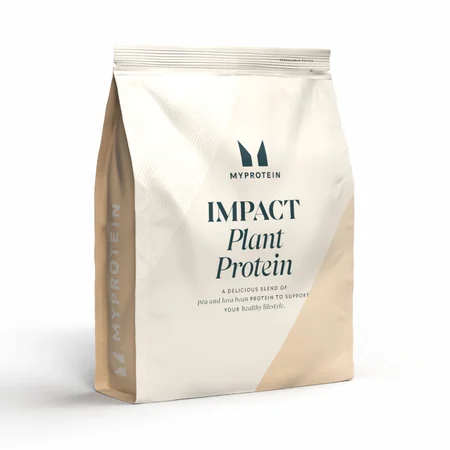
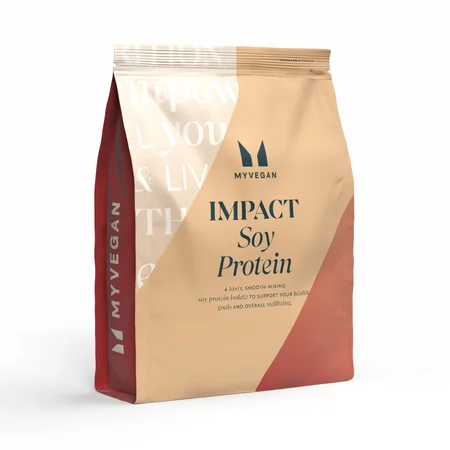
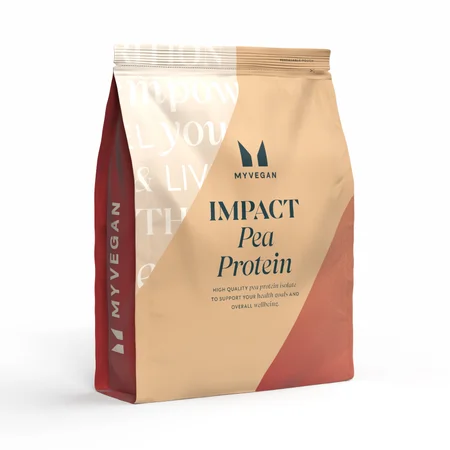
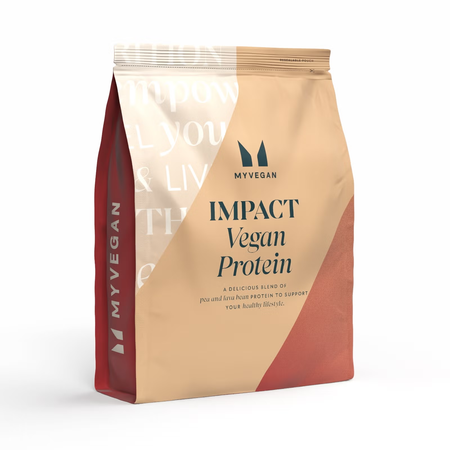
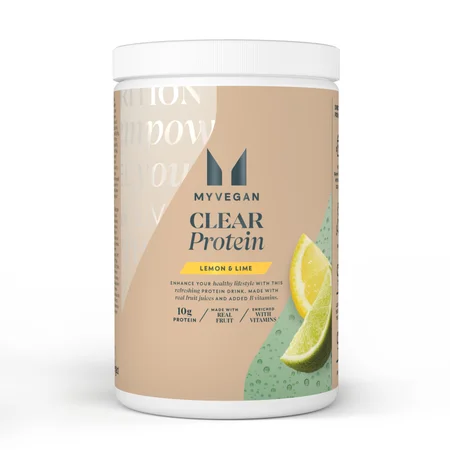
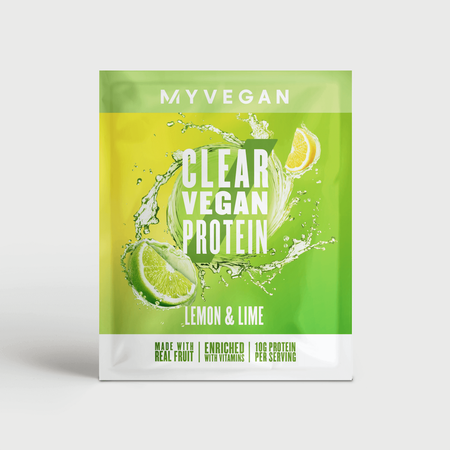
تسوّق Myvegan في Myprotein
Myvegan هي تشكيلة Myprotein المخصصة للتغذية الرياضية النباتية — مصمّمة لمن يختار نمط حياة خالياً من المنتجات الحيوانية دون أي تنازل في الجودة أو الأداء. من مكملات البروتين النباتي إلى الإكسسوارات الرياضية العملية، كل منتج في هذه التشكيلة يعكس معايير Myprotein الصارمة في التصنيع والشفافية.
تستهدف Myvegan الرياضيين والنشيطين الذين يبحثون عن مكملات غذائية نباتية مدروسة وفعّالة. سواء كنت تبحث عن مصدر بروتين نباتي عالي الجودة أو أدوات تدريب تلائم أسلوبك، ستجد هنا ما يناسب روتينك اليومي.
لمن هذه التشكيلة؟
Myvegan مصمّمة لكل من يتبع نظاماً غذائياً نباتياً أو يرغب في تقليل استهلاكه للمنتجات الحيوانية مع الحفاظ على نشاطه الرياضي. سواء كنت في بداية رحلتك الرياضية أو رياضياً محترفاً، هذه التشكيلة تلبّي احتياجاتك بمكوّنات نباتية المصدر وتركيبات مطوّرة من قِبل خبراء التغذية في Myprotein.
إذا كنت تبحث عن مكملات نباتية موثوقة في الإمارات وتريد الاطمئنان إلى جودة ما تستهلكه، فهذه التشكيلة تُعدّ خياراً واضحاً. الشفافية في المكوّنات والالتزام بالمعايير العلمية هما الأساس الذي تُبنى عليه كل منتجات Myvegan.
متى تستخدم منتجات Myvegan؟
يختار كثير من الرياضيين استخدام منتجات Myvegan كجزء من روتينهم اليومي حول التمرين — سواء قبله لتجهيز الجسم أو بعده لاستكمال احتياجاتهم من البروتين النباتي. البروتين يُسهم في نموّ الكتلة العضلية والحفاظ عليها1، مما يجعله ركيزة أساسية لمن يمارس الرياضة بانتظام.
خارج إطار التمرين، يُدمج كثيرون هذه المنتجات في وجباتهم اليومية كمصدر مريح ومتنقّل للبروتين النباتي. سواء كنت في المنزل أو في العمل أو في الصالة الرياضية، الشاكر المعدني Myvegan Metal Shaker بسعته 750 مل يجعل التحضير سريعاً وعملياً أينما كنت.
فوائد منتجات Myvegan
بروتين نباتي عالي النقاء
Pea Protein Isolate من Myvegan مشتق من البازلاء الصفراء وهو مصدر بروتين نباتي عالي النقاء. البروتين يُسهم في نموّ الكتلة العضلية والحفاظ عليها1، ويتناسب مع من يبحث عن بديل نباتي كامل يُدمج بسهولة في الوجبات اليومية والمخفوقات.
مكوّنات نباتية شفافة
كل منتج في تشكيلة Myvegan خالٍ من المكوّنات الحيوانية ومصنوع وفق معايير Myprotein في الجودة والشفافية. تعرف بالضبط ما تضعه في جسمك — لا غموض في المكوّنات ولا مفاجآت في التركيبة.
أدوات رياضية مصمّمة للنمط النباتي
Myvegan Metal Shaker لا يقتصر على الشكل الجميل — مصنوع من مواد خفيفة ومتينة بسعة 750 مل تكفي لتحضير مخفوقات البروتين النباتي أو أي مشروب رياضي. تصميم عملي يواكب يومك سواء في الصالة أو خارجها.
تطوير علمي من خبراء التغذية
خلف كل منتج في Myvegan فريق من خبراء التغذية في Myprotein — يضمنون أن تكون التركيبات مدروسة ومبنية على أسس علمية سليمة. ليست مجرد ملصقات نباتية، بل منتجات طُوّرت باحترافية لتناسب الرياضيين الجادين.
اختياراتنا المميزة
Myvegan Metal Shaker — إذا كنت تبحث عن شيكر يدوم طويلاً، فإن Myvegan Metal Shaker بسعته 750 مل وغطائه اللولبي المحكم يجمع بين الخفة والمتانة في آنٍ واحد.
Pea Protein Isolate — Pea Protein Isolate خيار مثالي لمن يفضلون مصادر البروتين النباتي، إذ يقدّم بروتين البازلاء المعزول بشكل نقي وبسيط.
FAQs
ما هي منتجات Myvegan المتوفرة في Myprotein؟
تشمل تشكيلة Myvegan في Myprotein مكملات البروتين النباتي كـ Pea Protein Isolate، إضافةً إلى الإكسسوارات الرياضية مثل Myvegan Metal Shaker. كل منتج مصمّم خصيصاً لمن يتبع نمط حياة نباتياً أو يبحث عن مكملات غذائية نباتية موثوقة.
ما الفرق بين Pea Protein Isolate ومصادر البروتين النباتي الأخرى؟
Pea Protein Isolate مشتق من البازلاء الصفراء ويتميز بنسبة بروتين عالية النقاء مقارنةً بكثير من مصادر البروتين النباتي. يحتوي على نسبة منخفضة من الدهون والكربوهيدرات، مما يجعله خياراً مركّزاً لمن يريد مصدراً نباتياً فعّالاً دون مواد حشو غير ضرورية.
البروتين بشكل عام يُسهم في نموّ الكتلة العضلية والحفاظ عليها1، سواء كان مصدره نباتياً أو حيوانياً — والبازلاء توفّر ملف أحماض أمينية لا بأس به لمن يتبع نظاماً نباتياً.
هل منتجات Myvegan مناسبة للنباتيين الصارمين (Vegans)؟
نعم، كل منتجات Myvegan مصمّمة بالكامل لتكون خالية من المكوّنات الحيوانية. تشكيلة Myvegan من Myprotein مبنية أساساً لتلبية احتياجات من يتبع نمطاً نباتياً صارماً — سواء في مكوّنات المكملات الغذائية أو المواد المستخدمة في الإكسسوارات الرياضية.
ما هو أفضل شاكر لتحضير مخفوقات البروتين النباتي؟
Myvegan Metal Shaker خيار عملي وموثوق لتحضير مخفوقات Pea Protein Isolate أو أي مكمّل نباتي. سعته 750 مل تكفي لجرعة كاملة مع سائل وافر، وتصميمه المعدني الخفيف يجعله متيناً للاستخدام اليومي سواء في الصالة الرياضية أو في أي مكان آخر.
من طوّر منتجات Myvegan؟
طوّر تشكيلة Myvegan فريق خبراء التغذية في Myprotein، مع التركيز على تقديم مكملات غذائية نباتية مبنية على أسس علمية. كل تركيبة تمرّ بمراجعة دقيقة لضمان الجودة والشفافية في المكوّنات والجرعات.
كيف أستخدم Pea Protein Isolate في يومي؟
يُستخدم Pea Protein Isolate عادةً في المخفوقات مع الماء أو أي سائل نباتي كحليب اللوز أو الشوفان. كثير من الرياضيين النباتيين يُدمجونه في الوجبات كالعصائر والشوفان لرفع محتواهم اليومي من البروتين النباتي بشكل مريح ودون تعقيد.
هل يمكن استخدام Myvegan Metal Shaker للمشروبات غير البروتينية؟
Myvegan Metal Shaker مناسب لأي مشروب رياضي — سواء كان مخفوق بروتين نباتي، مشروب قبل التمرين، أو حتى الماء العادي. التصميم المعدني المتين يجعله قابلاً للاستخدام اليومي بدوام طويل وبسهولة في التنظيف.
هل مكملات Myvegan مناسبة لمن يمارس الرياضة بشكل متقطع وليس احترافياً؟
مكملات Myvegan ليست حكراً على الرياضيين المحترفين — تشكيلة Myvegan تناسب أي شخص يريد دعم نظامه الغذائي النباتي بمصادر بروتين جيدة، بغض النظر عن مستوى نشاطه الرياضي. Pea Protein Isolate على سبيل المثال سهل التضمين في أي روتين غذائي يومي.
ما أهمية البروتين النباتي في النظام الغذائي؟
البروتين — سواء من مصادر نباتية أو حيوانية — يُسهم في نموّ الكتلة العضلية والحفاظ عليها1، كما يُسهم في الحفاظ على صحة العظام الطبيعية2. من يتبع نظاماً نباتياً قد يجد في Pea Protein Isolate مصدراً عملياً لتغطية احتياجاته اليومية من البروتين دون الاعتماد على المصادر الحيوانية.
كيف أختار المنتج المناسب من تشكيلة Myvegan؟
إذا كان هدفك الرئيسي هو رفع كمية البروتين النباتي في نظامك الغذائي، فـ Pea Protein Isolate هو نقطة البداية المنطقية — مركّز ونقي وسهل التحضير. أما إذا كنت تبحث عن إكسسوار رياضي يرافق روتينك اليومي، فـ Myvegan Metal Shaker بسعته 750 مل خيار عملي ومتين يناسب كلا الاستخدامين.
1. البروتين يُسهم في نموّ الكتلة العضلية والحفاظ عليها. Protein contributes to a growth in muscle mass and the maintenance of muscle mass.
2. البروتين يُسهم في الحفاظ على صحة العظام الطبيعية. Protein contributes to the maintenance of normal bones.