
Shop Vitamins & Minerals at Myprotein
Vitamins and minerals are essential micronutrients that play hundreds of roles in the body, from normal bone maintenance to immune function. Whilst a balanced diet should be your first port of call, vitamin and mineral supplements can help fill nutritional gaps, especially during intense training periods or when dietary variety is limited.
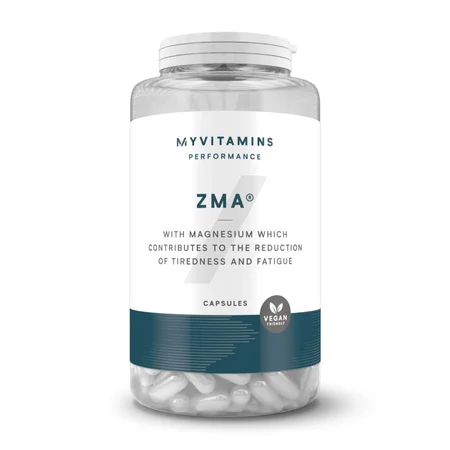
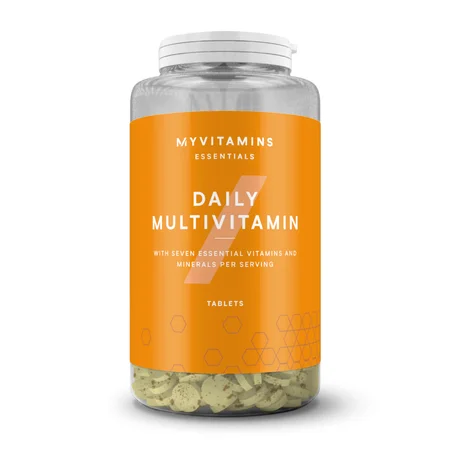
The range includes everything from comprehensive daily multivitamin tablets to targeted formulas like ZMA capsules combining zinc, magnesium and vitamin B6. Whether you're looking for vegan omega-3 alternatives or specific nutrients to support your training routine, these supplements are designed to slot seamlessly into your nutrition plan.
Who Should Try These
Vitamins and minerals supplements suit anyone looking to support their micronutrient intake alongside a balanced diet. Athletes and regular gym-goers often turn to these products during periods of intense training, whilst those following plant-based diets may use them to address nutrients harder to obtain from food alone, such as vitamin B12 or omega-3 fatty acids.
From daily multivitamin tablets providing broad-spectrum nutritional support to targeted formulas like ZMA for zinc, magnesium and B6, the range caters to different nutritional goals and dietary patterns. Whether you're new to supplementation or have specific micronutrient requirements, there's likely a format and formula to match your needs.
When to Use Vitamins & Minerals
Most vitamin mineral supplements work best when taken consistently as part of your daily routine. Fat-soluble vitamins like A, D, E and K are often better absorbed when consumed with meals containing dietary fat, whilst water-soluble vitamins such as vitamin C and B-complex can be taken throughout the day.
Specific formulas like ZMA capsules are typically taken in the evening, following manufacturer guidance on the label. For omega-3 supplements, timing is less critical than consistency, so pick a time that fits your schedule and stick with it. Always check individual product labels for specific usage instructions.
Vitamins & Minerals Benefits
Comprehensive Nutritional Support
Daily multivitamin tablets provide a convenient way to cover multiple micronutrient bases in a single product. These formulas typically combine vitamins and minerals that contribute to various normal bodily functions, from vitamin C for immune function1 to zinc for cognitive function2, offering broad-spectrum nutritional insurance alongside your regular diet.
Targeted Nutrient Combinations
Specialised formulas like ZMA capsules deliver specific nutrients in studied ratios. Zinc contributes to normal protein synthesis3, magnesium contributes to normal muscle function4, and vitamin B6 contributes to normal protein and glycogen metabolism5, making these combinations popular among active individuals.
Plant-Based Alternatives
Vegan omega-3 supplements sourced from algae provide EPA and DHA without fish-derived ingredients. DHA contributes to maintenance of normal brain function6, whilst EPA and DHA together contribute to the normal function of the heart7, offering plant-based options for those following vegan or vegetarian diets.
Convenient Formats
From vitamins minerals tablets and capsules to liquid and powder options, the range offers flexible delivery methods to suit different preferences. Capsules provide pre-measured doses for grab-and-go convenience, whilst tablets often offer cost-effective daily supplementation that's easy to incorporate into your routine.
Popular Picks
Looking for comprehensive daily coverage? Daily Multivitamin Tablets provides EPA and DHA from algae rather than fish, with EPA and DHA contributing to the normal function of the heart7, offering a vegan-friendly source of these essential fatty acids.
FAQs
What are vitamins and minerals?
Vitamins and minerals are essential micronutrients required in small amounts for hundreds of biochemical processes throughout the body. Vitamins are organic compounds that include water-soluble types like vitamin C and B-complex, plus fat-soluble vitamins A, D, E and K. Minerals are inorganic elements such as zinc, magnesium, calcium and iron.
Whilst your body needs only small quantities of these nutrients compared to macronutrients like protein and carbohydrates, they play vital roles in everything from bone structure to immune system function. Vitamin and mineral supplements can help fill nutritional gaps, particularly during periods of increased demand or when dietary variety is limited.
How do vitamin mineral supplements differ from getting nutrients through food?
Food provides vitamins and minerals alongside fibre, phytonutrients and other beneficial compounds that work synergistically. A balanced diet rich in fruits, vegetables, whole grains, lean proteins and healthy fats should always be your primary source of nutrition.
However, vitamin and mineral supplements offer concentrated, standardised amounts of specific nutrients, making them useful when dietary intake falls short. They're particularly helpful for addressing known deficiencies, supporting increased requirements during intense training, or filling gaps in restricted diets. Supplements complement rather than replace whole foods in a complete nutrition strategy.
What's the difference between multivitamin tablets and targeted formulas?
Daily multivitamin tablets provide broad-spectrum coverage of numerous vitamins and minerals in a single product, typically including vitamins A, C, D, E, K and B-complex alongside minerals like zinc, magnesium and iron. They're designed as nutritional insurance to support overall micronutrient intake.
Targeted formulas like ZMA capsules or omega-3 supplements focus on specific nutrients or combinations, often in higher amounts than you'd find in a multivitamin. These allow you to address particular nutritional goals or requirements without consuming unnecessary nutrients you're already getting adequate amounts of through diet.
When should I take vitamins minerals capsules or tablets?
Fat-soluble vitamins (A, D, E, K) are generally better absorbed when taken with meals containing dietary fat, whilst water-soluble vitamins (C and B-complex) can be taken throughout the day with or without food. Minerals like calcium and magnesium may be better absorbed when taken separately from high-fibre meals.
Specific products may have particular timing recommendations. For instance, ZMA capsules are typically taken in the evening. Check individual product labels for manufacturer guidance, and consider splitting doses if taking multiple supplements to optimise absorption and reduce potential stomach discomfort.
Can I take vitamin and mineral supplements together?
Most vitamins and minerals can be taken together without issue, which is why multivitamin tablets exist. However, certain minerals may compete for absorption when taken simultaneously in very high doses. For example, large amounts of zinc might interfere with copper absorption, whilst calcium can reduce iron absorption if taken together.
These interactions typically only matter at supplemental doses, not the amounts found in food. If you're taking multiple high-dose single-nutrient supplements, spacing them throughout the day can help optimise absorption. For most people using a basic multivitamin or combination formula, timing isn't critical.
What are ZMA capsules and who uses them?
ZMA capsules combine zinc, magnesium and vitamin B6 in specific ratios. Zinc contributes to normal protein synthesis3, magnesium contributes to normal muscle function4, and vitamin B6 contributes to normal protein and glycogen metabolism5.
This combination is particularly popular among athletes and regular gym-goers, as these are three nutrients that may be depleted through intense exercise and sweating. The formula is typically taken before bed, following the timing used in original research studies on this nutrient combination.
Are vegan omega-3 supplements as effective as fish oil?
Vegan omega-3 supplements sourced from algae provide the same EPA and DHA fatty acids found in fish oil, since fish actually obtain these omega-3s from eating algae themselves. The algae-based supplements cut out the middleman, offering a direct plant-based source.
Research shows that algae-derived EPA and DHA are absorbed and utilised by the body similarly to fish-derived versions. Both contribute to the normal function of the heart7, with DHA also contributing to maintenance of normal brain function6. Vegan omega-3 provides these benefits without fish-derived ingredients, making it suitable for plant-based diets.
How do I choose between different vitamins minerals tablets?
Start by assessing your dietary intake and identifying potential gaps. Those eating varied, balanced diets might need only basic multivitamin coverage, whilst people following restricted diets or with increased requirements might benefit from targeted supplementation of specific nutrients.
Consider the forms and amounts of nutrients provided. Look for products offering meaningful doses (typically at least 15% of reference intake values for vitamins and minerals) in bioavailable forms. Check whether you need vitamins minerals capsules for easy swallowing or prefer tablets. Reading product labels and consulting the nutritional information helps you make informed choices based on your individual needs.
Who develops Myprotein's vitamin and mineral supplements?
Myprotein's expert nutritionists develop the vitamins and minerals range, working to create formulas that address common nutritional gaps and support active lifestyles. The team considers factors like nutrient bioavailability, optimal combinations, and practical dosing when designing products.
From comprehensive daily multivitamin tablets to specialised formulas like ZMA capsules and vegan omega-3, each product is formulated with quality and efficacy in mind. The range undergoes rigorous quality control testing to ensure it meets the standards you'd expect from a trusted sports nutrition brand.
Can vitamin and mineral supplements help during intense training periods?
Intense exercise can increase requirements for certain micronutrients through various mechanisms, including losses through sweat, increased metabolic turnover, and greater demand for recovery processes. Vitamins and minerals supplements can help ensure adequate intake during these demanding periods.
For example, vitamin C contributes to the normal function of the immune system during and after intense physical exercise8, magnesium contributes to normal muscle function4, and zinc contributes to normal protein synthesis3. Whilst diet should always be your foundation, vitamin mineral supplements can provide additional nutritional support when training intensity increases.
1. Vitamin C contributes to the normal function of the immune system.
2. Zinc contributes to normal cognitive function.
3. Zinc contributes to normal protein synthesis.
4. Magnesium contributes to normal muscle function.
5. Vitamin B6 contributes to normal protein and glycogen metabolism.
6. DHA contributes to maintenance of normal brain function.
7. EPA and DHA contribute to the normal function of the heart.
8. Vitamin C contributes to maintain the normal function of the immune system during and after intense physical exercise.