مكملات إدارة الوزن
8نتائج
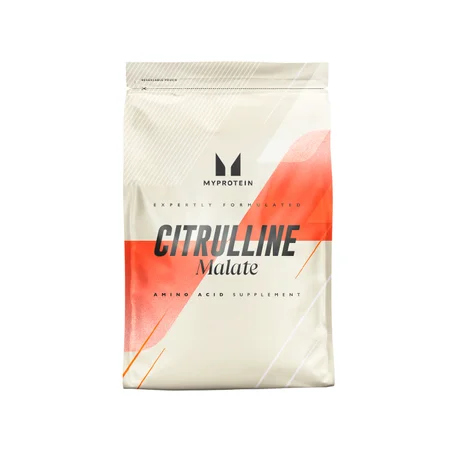
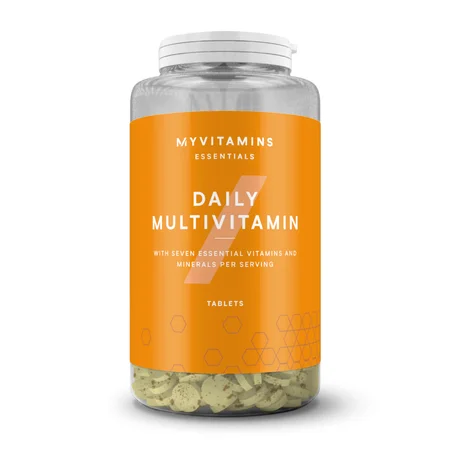
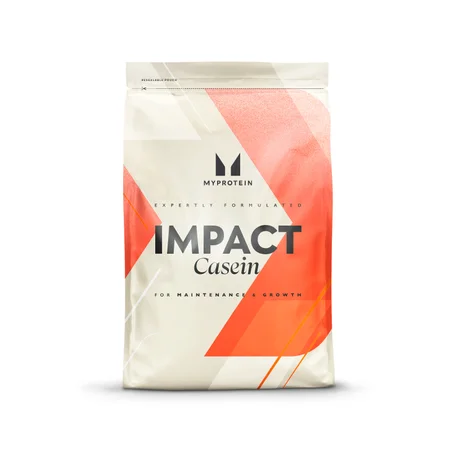
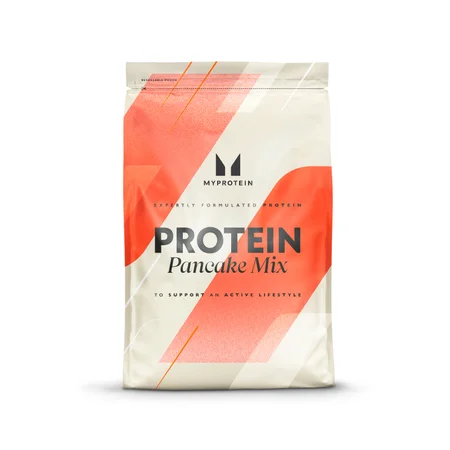
تسوّق مكملات إدارة الوزن من Myprotein
مكملات إدارة الوزن من Myprotein مصمّمة لتكون جزءاً من نمط حياة صحي ومتوازن. سواء كنت تتّبع نظاماً غذائياً محدداً أو تسعى إلى تحقيق أهدافك في التحكم بوزنك، ستجد هنا تشكيلة متنوعة من المكملات الغذائية عالية الجودة التي تناسب روتينك اليومي — من بروتين البازلاء المعزول إلى المنتجات المتخصصة في دعم خطط التغذية الصحية.
كل منتج في هذه التشكيلة يمرّ بمعايير جودة صارمة، مع التركيز على تركيبات نظيفة وشفافة في قائمة المكوّنات. Myprotein تؤمن بأن إدارة الوزن تبدأ بالتغذية السليمة، وهذه المكملات تمنحك الأساس الغذائي الذي تحتاجه لمواكبة خطتك.
لمن تناسب مكملات إدارة الوزن هذه؟
هذه التشكيلة مناسبة لكل من يسعى إلى اتباع نظام غذائي غني بالبروتين مع تقليل السعرات الحرارية. إذا كنت تمارس الرياضة بانتظام أو تتّبع برنامجاً للتغذية الصحية وتبحث عن مصادر بروتين عالية الجودة وقليلة الدهون والكربوهيدرات، فهذه المنتجات تناسبك تماماً.
كذلك تُعدّ مثالية لمن يتّبع نظاماً نباتياً أو يرغب في تجنّب مشتقات الألبان، إذ يُعدّ بروتين البازلاء المعزول مصدراً نباتياً بامتياز، غنياً بالأحماض الأمينية الأساسية ومنخفض الدهون والسكريات. البروتين يُسهم في نمو الكتلة العضلية والحفاظ عليها1، وهو ما يجعله ركيزة أساسية في أي خطة تغذية منضبطة.
متى تستخدم مكملات إدارة الوزن؟
توقيت تناول المكملات يختلف بحسب نوعها وهدفك. بروتين البازلاء المعزول يمكن تناوله في أي وقت خلال اليوم — بعد التمرين مباشرة، بين الوجبات، أو كإضافة لوجبة الإفطار. هذه المرونة تجعله خياراً عملياً ضمن الروتين اليومي المزدحم.
كثير من الأشخاص يُدرجونه كبديل غذائي خفيف بين الوجبات الرئيسية، وذلك لتلبية احتياجاتهم من البروتين دون إضافة سعرات حرارية زائدة من الدهون أو الكربوهيدرات. مكملات التخسيس ومكملات حرق الدهون الأخرى تُؤخذ عادةً وفقاً لتعليمات كل منتج — لذا احرص دائماً على مراجعة إرشادات الاستخدام الموضحة على العبوة.
فوائد مكملات إدارة الوزن
مصدر بروتين نباتي عالي الجودة
بروتين البازلاء المعزول مصدر نباتي غني بالأحماض الأمينية الأساسية، وخالٍ من مشتقات الألبان والغلوتين. يحتوي على نسبة بروتين عالية مع حد أدنى من الدهون والكربوهيدرات، مما يجعله خياراً ذكياً لمن يرغب في التحكم في تركيبة وجباته.
دعم الكتلة العضلية خلال برامج إدارة الوزن
الحفاظ على الكتلة العضلية أثناء اتباع نظام غذائي محكوم بالسعرات يُعدّ من أبرز التحديات. البروتين يُسهم في الحفاظ على الكتلة العضلية1، مما يجعل إدراجه في نظامك الغذائي خطوة أساسية لا يمكن تجاوزها.
تركيبات نظيفة وشفافة
منتجات Myprotein تتميز بقوائم مكوّنات واضحة وخالية من المواد الحشوية غير الضرورية. تعرف بالضبط ما الذي تتناوله — وهذا الوضوح يمنحك تحكماً حقيقياً في ما تُدخله إلى جسمك ضمن خطتك الغذائية.
تنوع في طرق الاستخدام
يمكن مزج بروتين البازلاء المعزول بالماء أو الحليب النباتي أو إضافته إلى الوصفات والعصائر. هذا التنوع في طرق التحضير يجعله سهل الدمج ضمن أي نمط غذائي دون تعقيد أو روتين ممل.
اختياراتنا المميزة
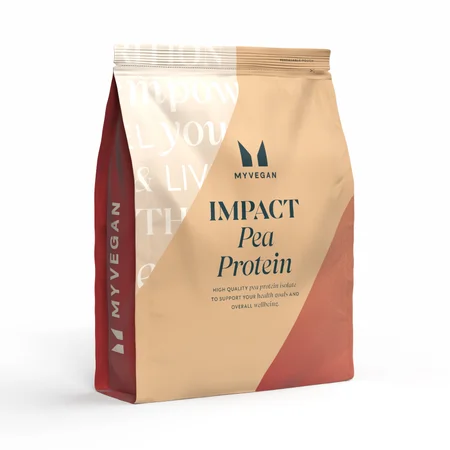
Pea Protein Isolate — إذا كنت تبحث عن بروتين نباتي نقي وخالٍ من منتجات الألبان، فإن Pea Protein Isolate هو خيارك المثالي.
FAQs
ما هي مكملات إدارة الوزن؟
مكملات إدارة الوزن هي منتجات غذائية مُصمَّمة لتكمّل النظام الغذائي اليومي ضمن خطة متوازنة للتحكم في الوزن. تشمل هذه التشكيلة منتجات مثل بروتين البازلاء المعزول، وهو مصدر بروتين نباتي عالي النقاء، يُستخدم كجزء من نظام غذائي منضبط يركّز على تلبية احتياجات الجسم من العناصر الغذائية الأساسية مع ضبط السعرات الحرارية.
ما الفرق بين مكملات التخسيس ومكملات إدارة الوزن؟
مكملات إدارة الوزن مصطلح أشمل يضم أي مكمل يُستخدم ضمن خطة للتحكم في الوزن، بما في ذلك مصادر البروتين عالية الجودة. في المقابل، مكملات التخسيس أو مكملات حرق الدهون غالباً ما تُشير إلى منتجات تحتوي على مكوّنات محددة تُدرج ضمن برامج تقليل السعرات. في Myprotein، التركيز على تقديم مكملات واضحة المكوّنات يُمكّن المستخدم من بناء خطته بنفسه.
هل بروتين البازلاء مناسب للنظام النباتي؟
بروتين البازلاء المعزول خيار نباتي 100% ومناسب لمن يتجنب مشتقات الألبان أو يتبع نظاماً نباتياً صارماً. يتميز بخلوّه من الغلوتين ومشتقات الألبان، ويحتوي على نسبة عالية من البروتين النباتي مقارنة بالحجم، مما يجعله من أبرز البدائل المتاحة لمصادر البروتين الحيوانية.
كم مرة يمكن تناول مكملات البروتين في اليوم؟
يعتمد ذلك على احتياجاتك اليومية من البروتين وما تحصل عليه من مصادر غذائية أخرى. كثير من الأشخاص يتناولون جرعة واحدة أو جرعتين يومياً لتغطية فجوات البروتين في نظامهم الغذائي. البروتين يُسهم في نمو الكتلة العضلية والحفاظ عليها1، لذا من المهم احتساب إجمالي البروتين من جميع المصادر عند تحديد الكمية المناسبة لك.
هل يمكن استخدام بروتين البازلاء المعزول في الطهي والعصائر؟
بروتين البازلاء المعزول متعدد الاستخدامات ويمكن إضافته إلى العصائر والسموذي والمخبوزات والأوعية الغذائية. طعمه خفيف نسبياً مقارنة ببعض بروتينات النباتات الأخرى، مما يجعله سهل الدمج في الوصفات اليومية دون التأثير الكبير على النكهة.
من طوّر مكملات إدارة الوزن في Myprotein؟
مكملات إدارة الوزن من Myprotein طوّرها فريق من خبراء التغذية المتخصصين في Myprotein، بالاستناد إلى أحدث الأبحاث العلمية في مجال التغذية الرياضية والصحة العامة. كل تركيبة تمر بمراحل تطوير واختبار دقيقة لضمان الجودة والفاعلية وشفافية المكوّنات.
ما الفرق بين بروتين البازلاء المركّز وبروتين البازلاء المعزول؟
بروتين البازلاء المعزول يمر بمراحل معالجة إضافية لاستخلاص نسبة أعلى من البروتين مقارنة بالنوع المركّز، مع تقليل الدهون والكربوهيدرات إلى الحد الأدنى. هذا يجعله الخيار الأمثل لمن يسعى إلى تعظيم كمية البروتين في الجرعة الواحدة مع الحفاظ على انخفاض إجمالي السعرات.
هل مكملات إدارة الوزن من Myprotein مناسبة للمبتدئين؟
مكملات إدارة الوزن من Myprotein مناسبة لمستويات مختلفة من الخبرة، من المبتدئ إلى المحترف. بروتين البازلاء المعزول تحديداً منتج واضح الاستخدام، سهل الإدراج في الروتين اليومي دون الحاجة إلى معرفة متخصصة. يكفي اتباع تعليمات الاستخدام الموضحة على العبوة والبدء بجرعة واحدة يومياً.
ما الشكل المتاح لمكملات إدارة الوزن في Myprotein؟
تتوفر مكملات إدارة الوزن من Myprotein بأشكال متعددة بحسب المنتج، من أبرزها المسحوق القابل للخلط، كما هو الحال مع بروتين البازلاء المعزول الذي يأتي بصيغة مسحوق سهل التحضير. تتنوع النكهات والأحجام لتناسب مختلف الاحتياجات والتفضيلات.
هل تحتاج إلى ممارسة الرياضة لتحقيق الاستفادة من مكملات البروتين؟
بروتين البازلاء المعزول مصدر غذائي يُدمج ضمن النظام اليومي بغض النظر عن مستوى النشاط البدني. مع ذلك، يرتبط استخدامه ارتباطاً وثيقاً بممارسي الرياضة والتمارين المقاومة، إذ البروتين يُسهم في الحفاظ على الكتلة العضلية1 كجزء من خطة تغذية شاملة تتضمن التمرين المنتظم.
1. البروتين يُسهم في نمو الكتلة العضلية والحفاظ عليها.